
Constipation Relief
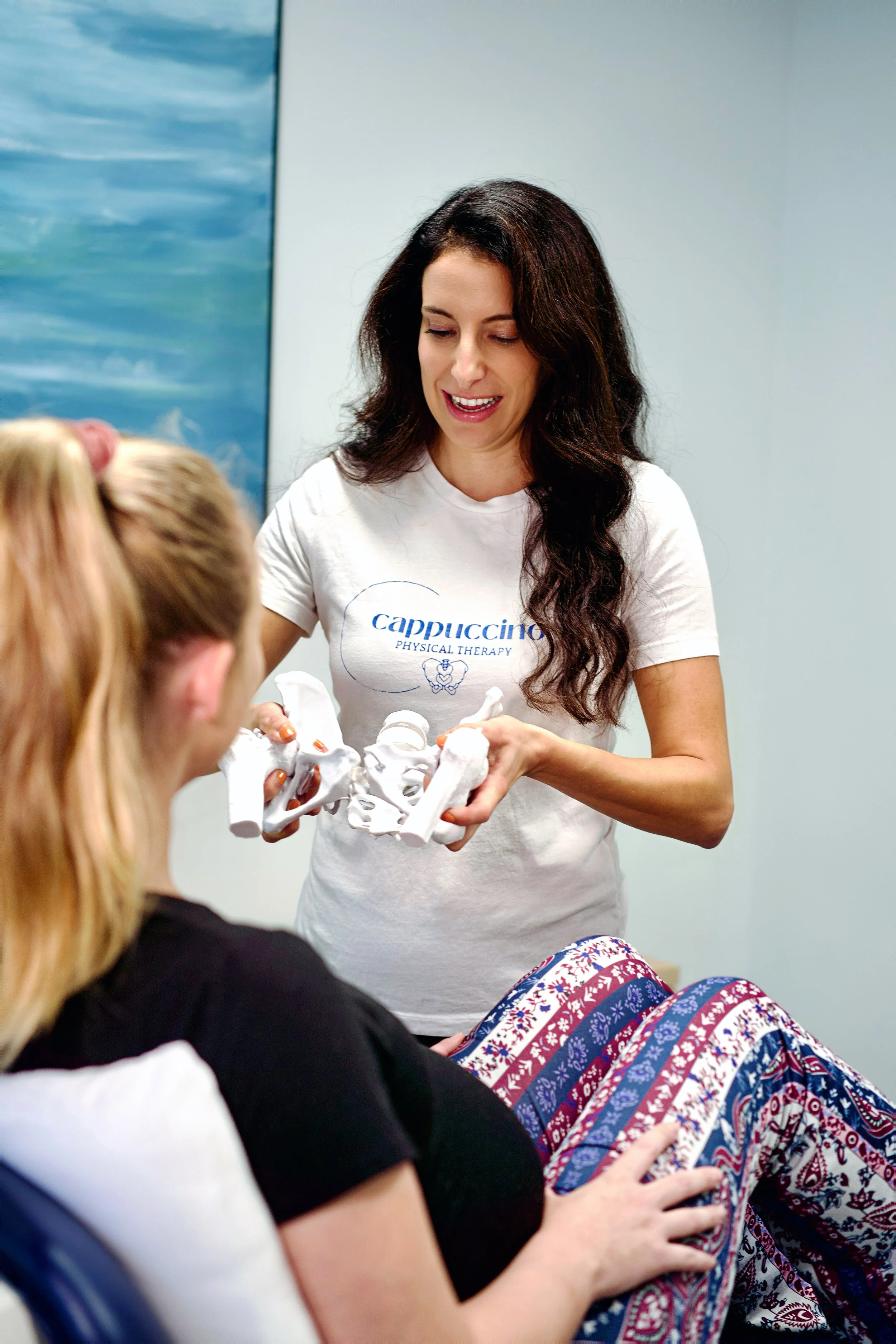
If you’re straining, going infrequently, feeling like you can’t fully empty, or relying on laxatives to get by, your pelvic floor could be playing a bigger role than you think.
Constipation is incredibly common and something we see all the time in our clinic.
At Cappuccino Physical Therapy, we take a whole-body approach to help you restore normal, comfortable bowel movements.
Your pelvic floor muscles need to coordinate properly to allow stool to pass. If they are too tight, not relaxing, or working against you, it can lead to:
Straining with bowel movements
Feeling of incomplete emptying
Going multiple times a day without relief
Needing to “push” or change positions to go
Bloating and abdominal discomfort
We go beyond “drink more water and eat more fiber”
We don't just treat symptoms, we get to the root cause so you get long-term results instead of just temporary fixes.
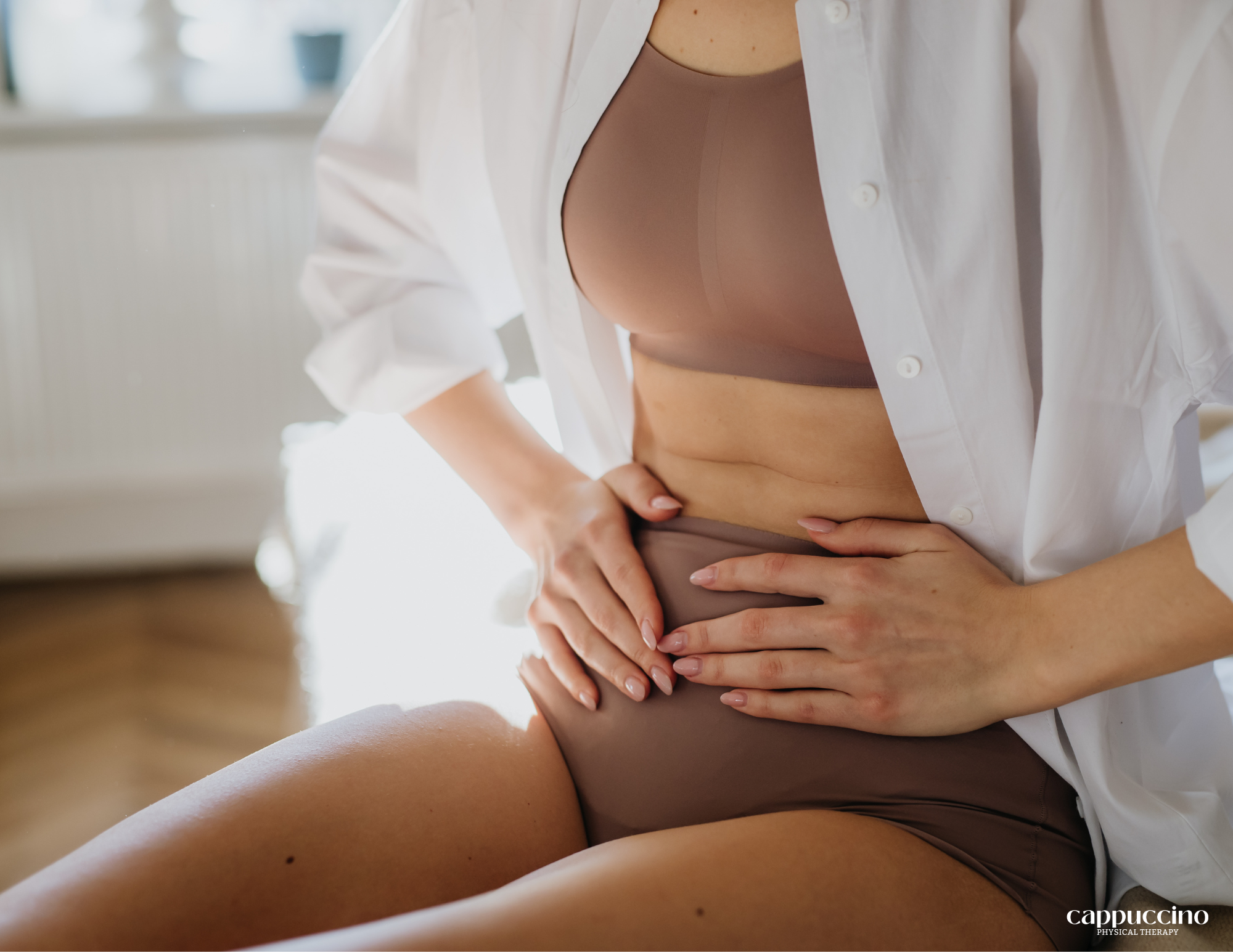
Your sessions are one-on-one and focused on identifying the root cause of your symptoms.
Treatment may include:
Pelvic floor muscle coordination training
Relaxation and lengthening techniques
Breathing strategies to support bowel movements
Toileting posture and habits
Abdominal and core connection
Guidance for managing prolapse symptoms during daily activities
Manual therapy as needed
Frequently Asked Questions
-
Yes! Constipation and pelvic organ prolapse often go hand in hand.
Straining with bowel movements increases pressure on the pelvic floor, which can contribute to or worsen prolapse over time. On the flip side, prolapse—especially rectocele—can make it harder to fully empty, leaving you stuck in a frustrating cycle of pushing without relief.
You might notice:
A feeling of heaviness or pressure in the vaginal area
A bulge you can see or feel
Needing to change positions or use support to fully empty
Ongoing constipation despite doing “all the right things”
Addressing constipation is a key part of managing prolapse symptoms—and protecting your pelvic floor long-term.