
Menopause Pelvic Floor Therapy
We provide pelvic floor physical therapy for women in perimenopause and menopause in Thousand Oaks and the Conejo Valley who are experiencing pelvic symptoms such as leaking, heaviness, discomfort, or changes in bladder or bowel control.
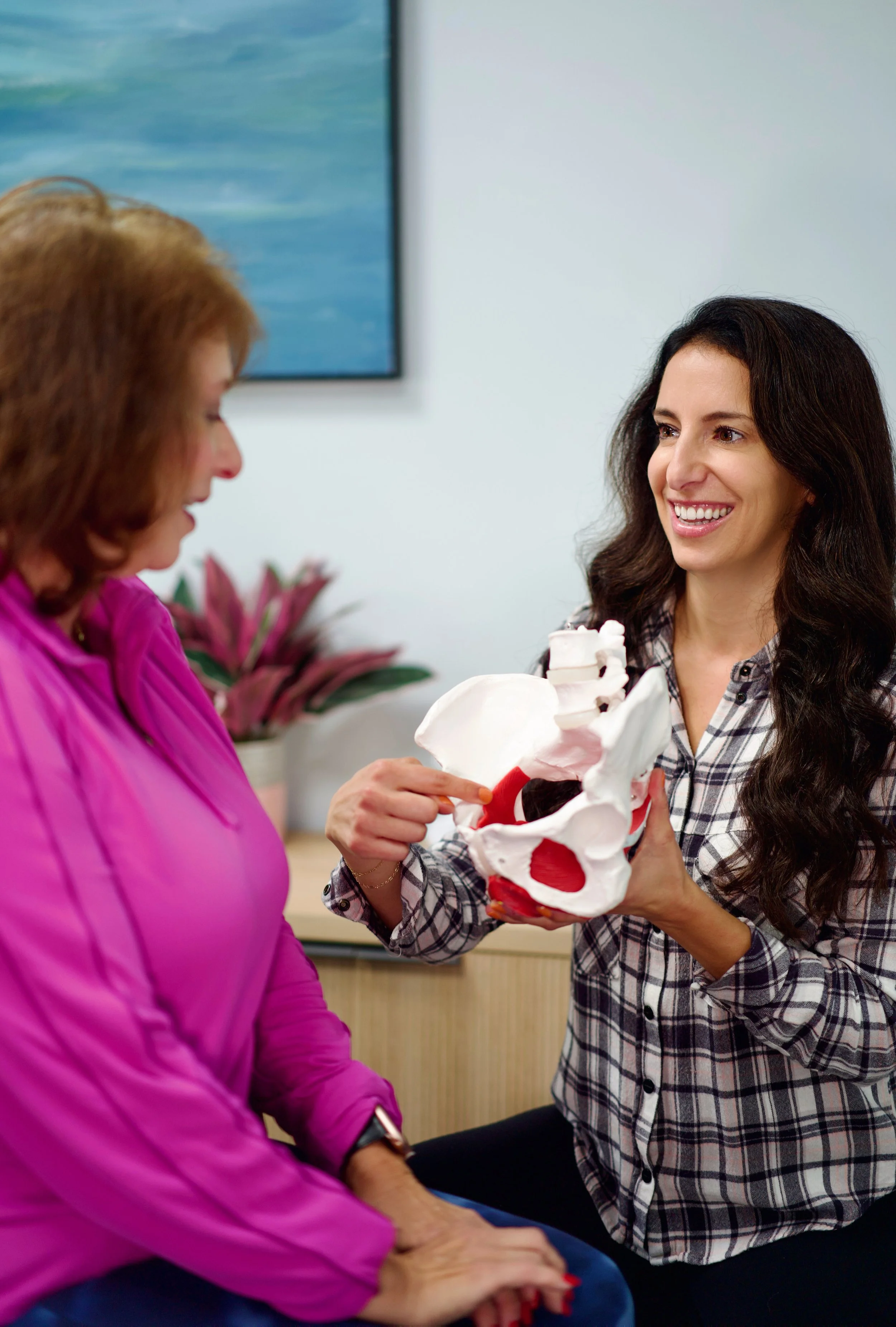
Empowering Women Through Every Stage of Life
As women transition through perimenopause and menopause, they often encounter a variety of changes that can impact pelvic health and overall well-being. Our specialized pelvic floor physical therapy services are designed to support women during this important life stage, offering tailored care to address the unique challenges they may face.
Perimenopause marks the transitional phase leading up to menopause, typically beginning in a woman's 40s but can start earlier for some. During this time, hormone levels fluctuate, leading to a range of physical and emotional changes, including:
Hormonal Shifts: Declining estrogen levels can affect the health and function of pelvic tissues, muscles, and organs.
Pelvic Floor Changes: Changes in hormone levels can impact the strength and tone of pelvic floor muscles, leading to symptoms such as urinary incontinence, pelvic organ prolapse, and pelvic pain.
Bone Health: Decreased estrogen levels can also affect bone density, increasing the risk of osteoporosis and fractures.
Sexual Health: Changes in hormone levels and pelvic anatomy can influence sexual desire, arousal, and comfort during intercourse.
All of these symptoms and experiences are things you don’t have to accept as a part of your new normal. We’d love to help you.
At Cappuccino Physical Therapy, we understand the unique challenges women face during perimenopause and menopause.
Our pelvic floor physical therapy services are designed to provide compassionate care and effective solutions to help women navigate this important life transition with confidence and comfort and we’d love to support you on your journey through perimenopause and menopause.

We offer Comprehensive Pelvic Floor Physical Therapy for Perimenopause and Menopause
At Cappuccino Physical Therapy, we offer specialized pelvic floor physical therapy services to support women during perimenopause and menopause. Our comprehensive approach includes:
Assessment and Evaluation: We conduct thorough assessments to evaluate pelvic floor function, muscle tone, and symptoms related to perimenopause and menopause.
Symptom Management: We develop personalized treatment plans to address common symptoms such as urinary incontinence, pelvic pain, vaginal dryness, and sexual dysfunction.
Pelvic Floor Strengthening: We guide women through exercises to strengthen and retrain the pelvic floor muscles, promoting better support and function.
Manual Therapy: Our skilled therapists utilize hands-on techniques to release tension, improve mobility, and alleviate discomfort in the pelvic region.
Education and Support: We provide education on pelvic health, hormone changes, and self-care strategies to empower women to manage their symptoms and optimize their overall well-being.
Collaborative Care: We work closely with healthcare providers, including gynecologists and menopause specialists, to ensure coordinated care and holistic support for women during perimenopause and menopause.
Frequently Asked Questions About Pelvic Therapy for Menopause
-
Pelvic floor therapy can help with symptoms such as leaking, pelvic pressure or heaviness, urgency, pain, and changes in bowel or bladder control that often appear during perimenopause and menopause.
-
Yes. Pelvic floor physical therapy is a proven, conservative treatment that addresses the muscle coordination, strength, and tension changes that contribute to leaking and pelvic pressure during menopause.
-
Yes. Pelvic floor therapy can help address muscle tension, tissue sensitivity, and coordination issues that often contribute to discomfort during intimacy after menopause.
-
Pelvic floor physical therapy is tailored to where you are in perimenopause or menopause, taking into account hormonal changes, current symptoms, and your goals. Treatment is individualized to your body and life stage rather than a one-size-fits-all strengthening program.